New
Origin Story
Two basket-weaving traditions, born thousands of kilometres apart, met in a handful of illustrated pages. What grew from that meeting is still being coiled today, one spiral at a time.
Scroll to begin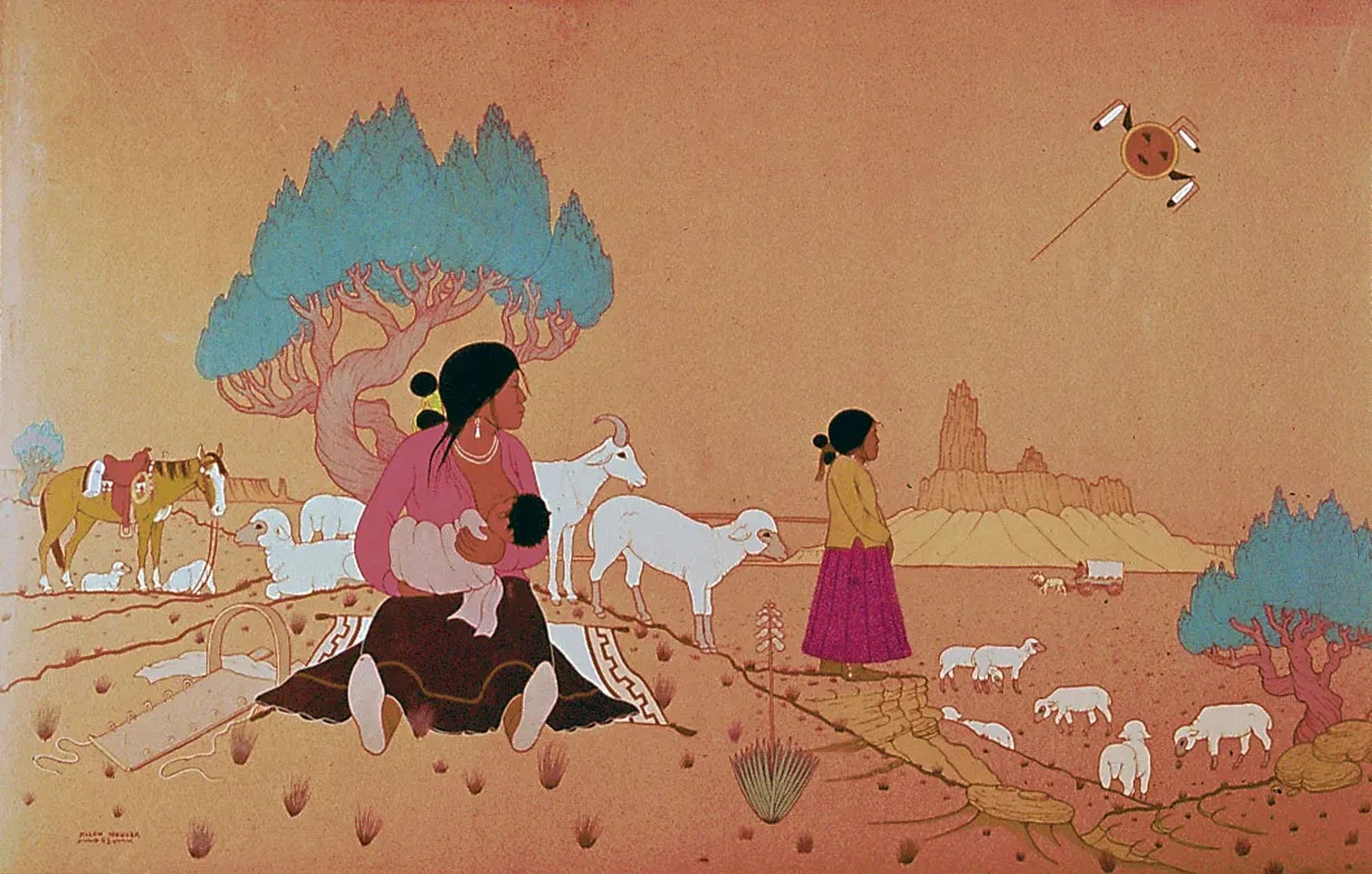
Long before anything was called art, the Indigenous peoples of the American Southwest were turning what the desert offered – willow, yucca, sumac, wild grasses – into the objects that made daily life possible.
Baskets gathered seeds and carried water. They held food through the winter and cooked meals over embers. Some left the hearth altogether and entered ceremony and story, passed from one pair of hands to the next.
Over generations, the practical became extraordinary. Each Nation developed its own materials, its own stitches and its own visual language, so that a pattern could tell you where a basket was born.
What began as necessity became a way of carrying knowledge forward.
Slowly, the world around these traditions changed. Factory-made containers replaced the objects once woven at home. Displacement, colonisation and new economies cut the thread between the generations that taught and the generations that learned.
In some communities the weavers grew fewer. But the art never fell silent. Families kept weaving for ceremony, for the home and for trade, holding on to techniques that might otherwise have been lost.
This story was not ending. It was preparing to travel.
The story carried by these baskets tells of American visitors who arrived, decades ago, in a remote village in South Asia. In their luggage were illustrated books: page after page of Indigenous basket designs from across the Americas.
They were not bringing basketry to a place that lacked it.
The women of the village already carried a tradition of their own, generations deep: coiling local grasses and date-palm leaves into strong baskets for the household. In those distant designs they recognised something at once foreign and deeply familiar – another people using patient hands and natural fibre to make beauty out of need.
Two traditions, an ocean apart, recognised each other on a printed page.
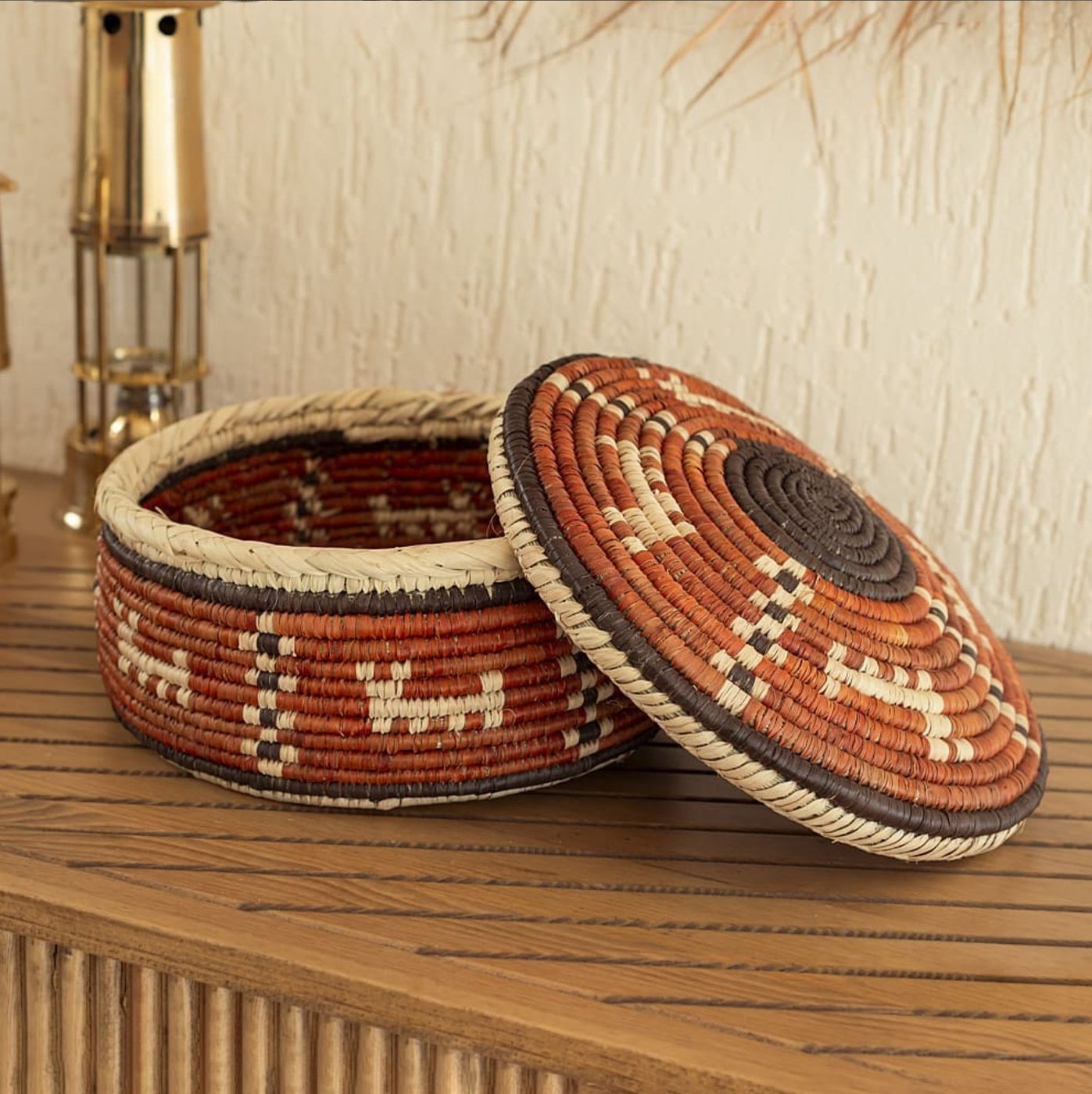
The women studied the patterns and began to speak them in their own dialect: their own grasses, their own dyes, their own stitch.
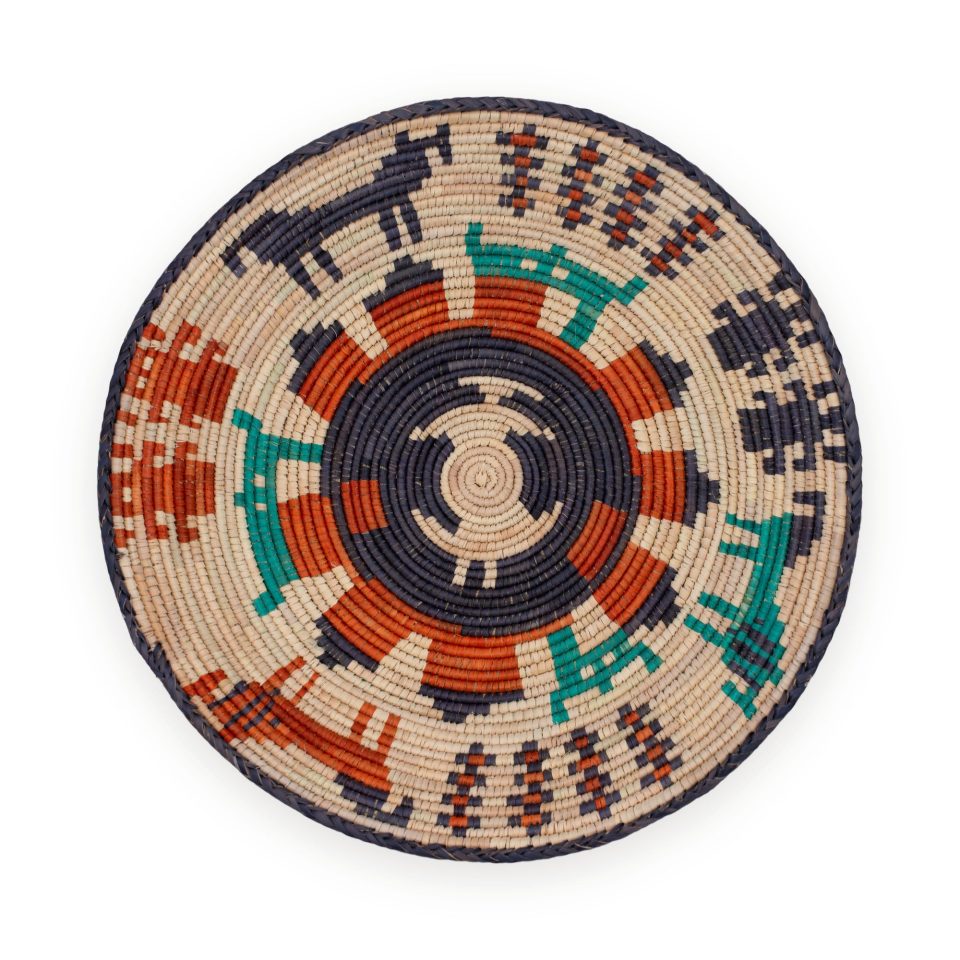
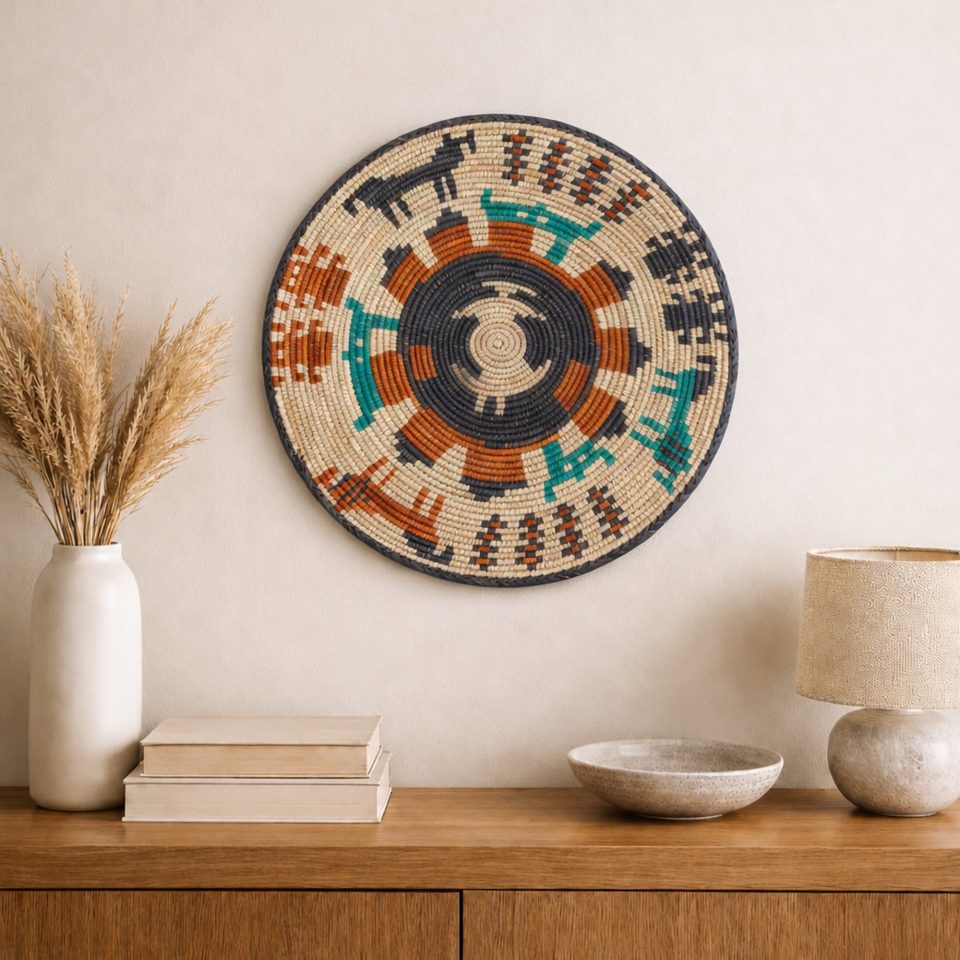
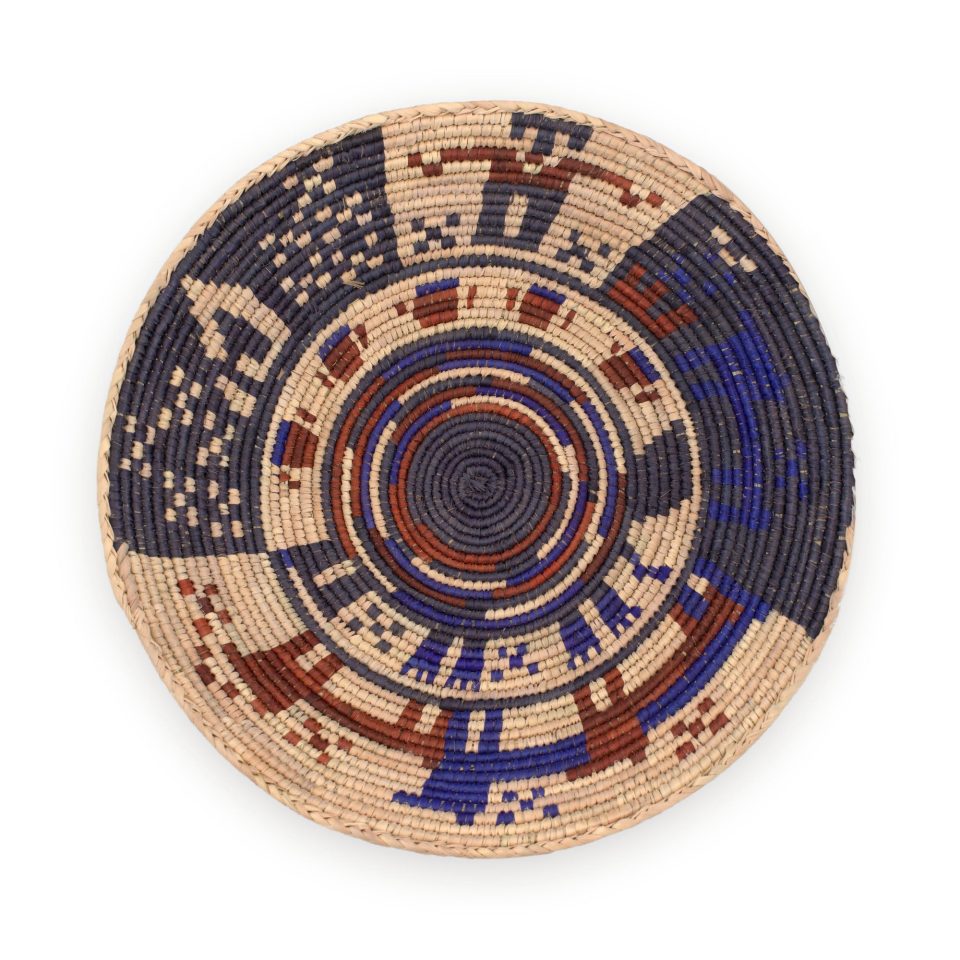
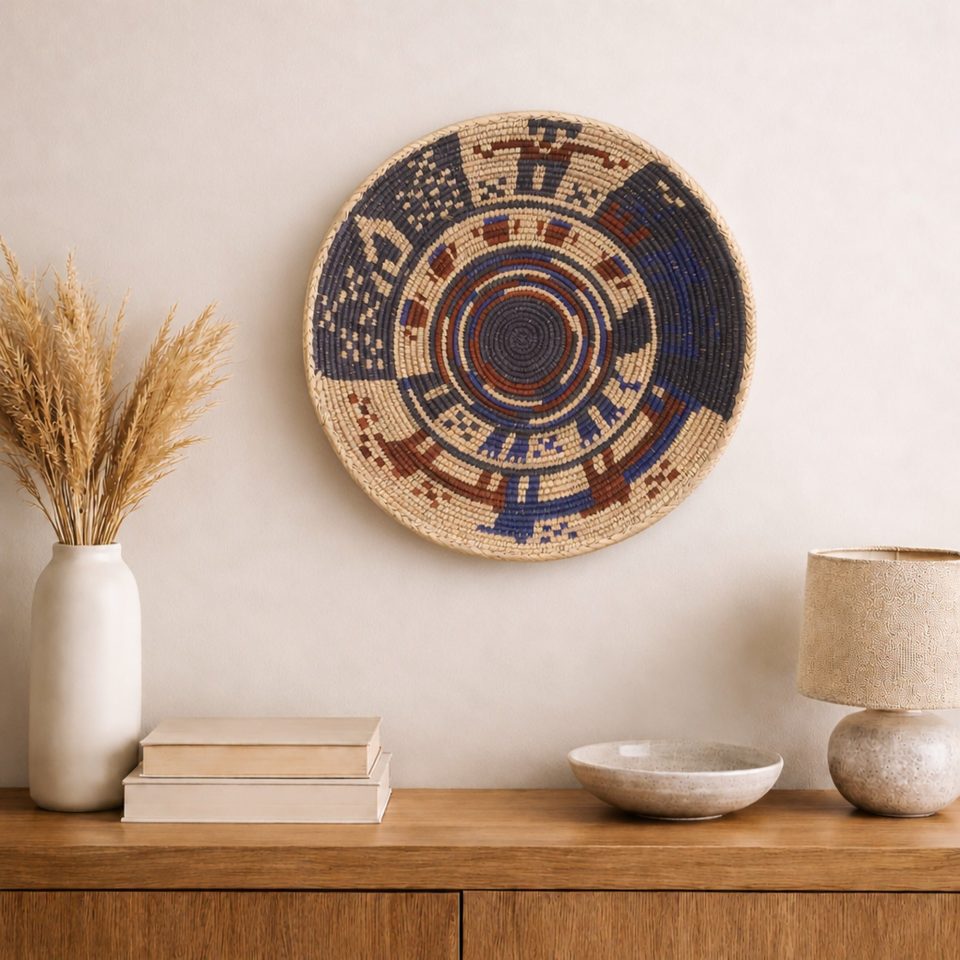
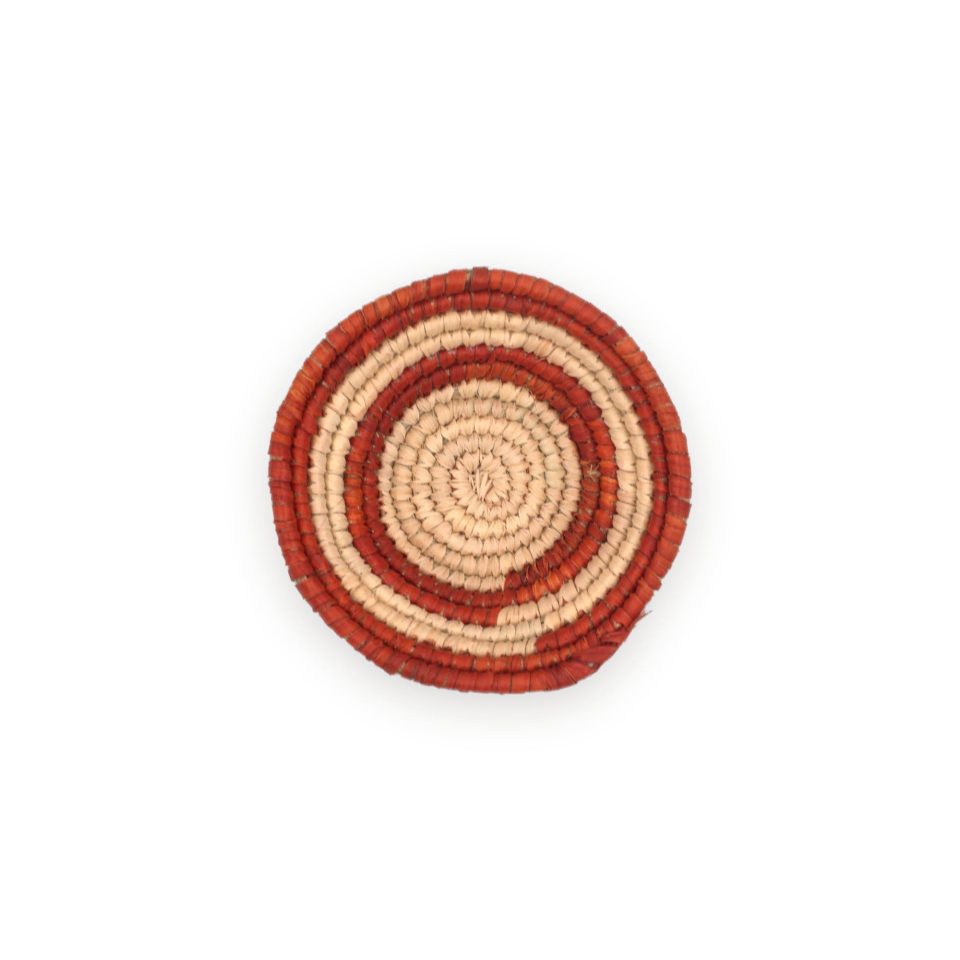
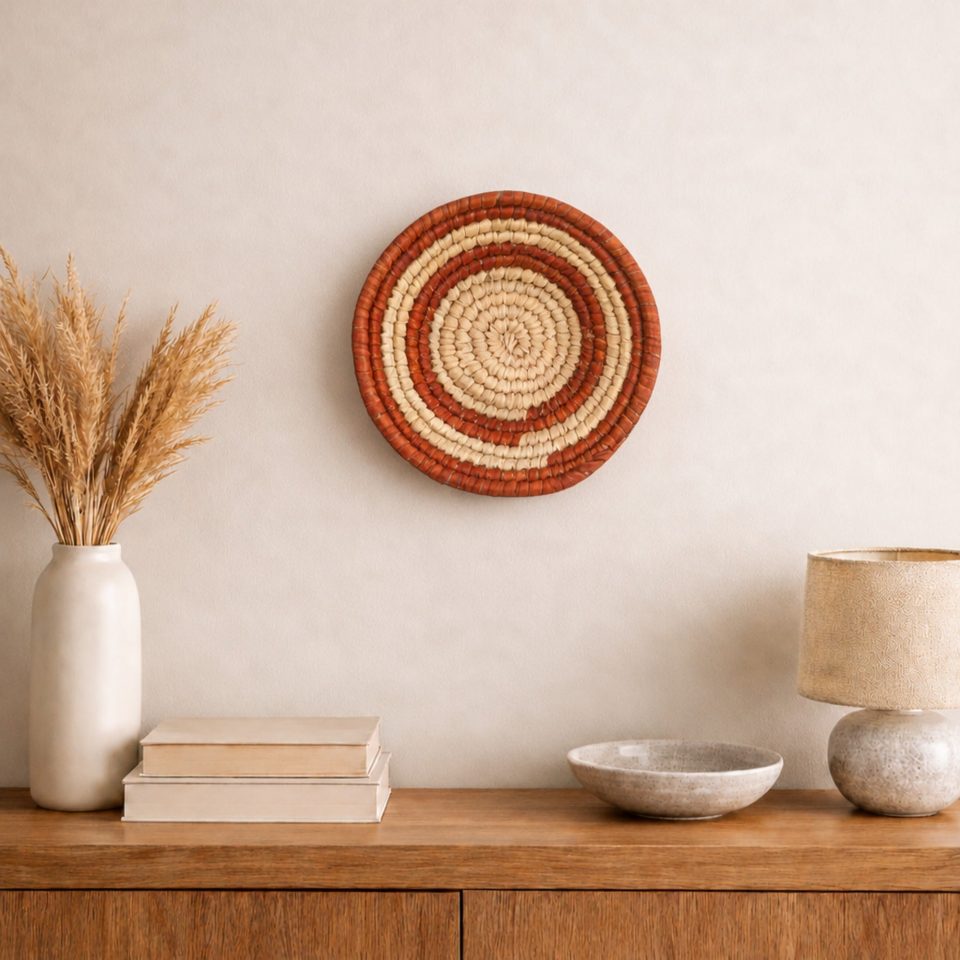
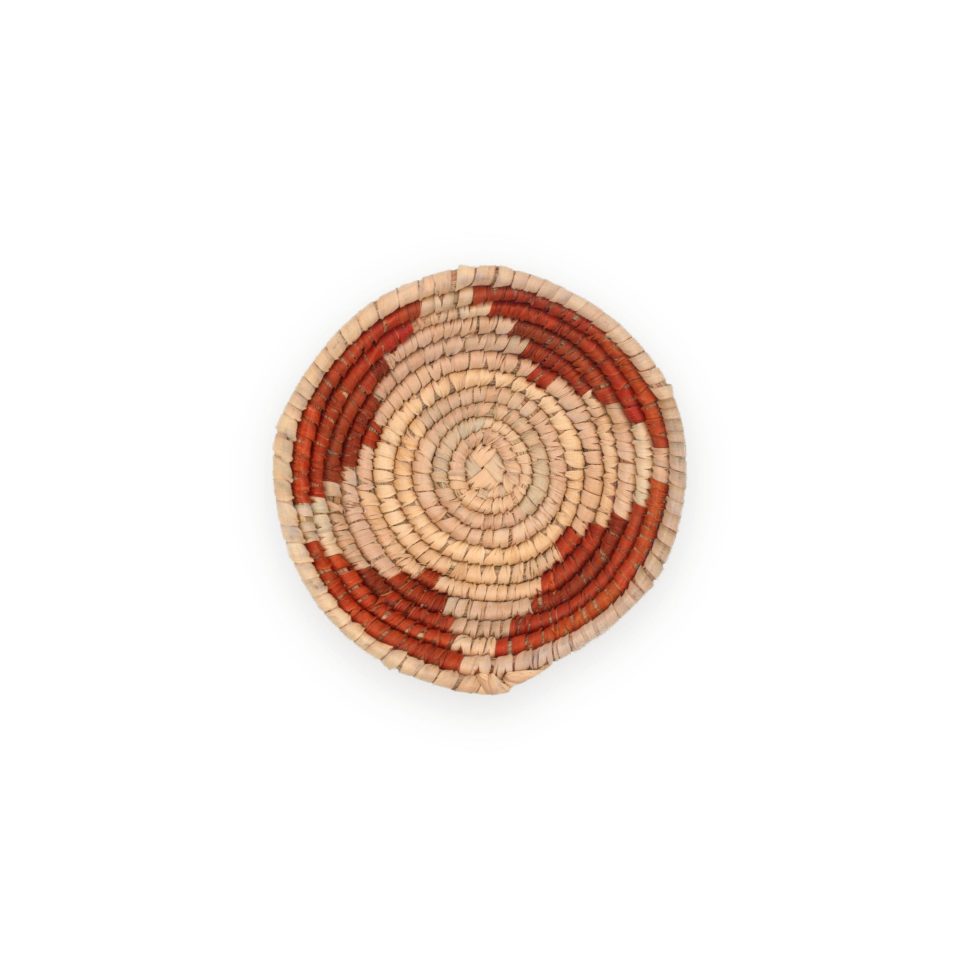
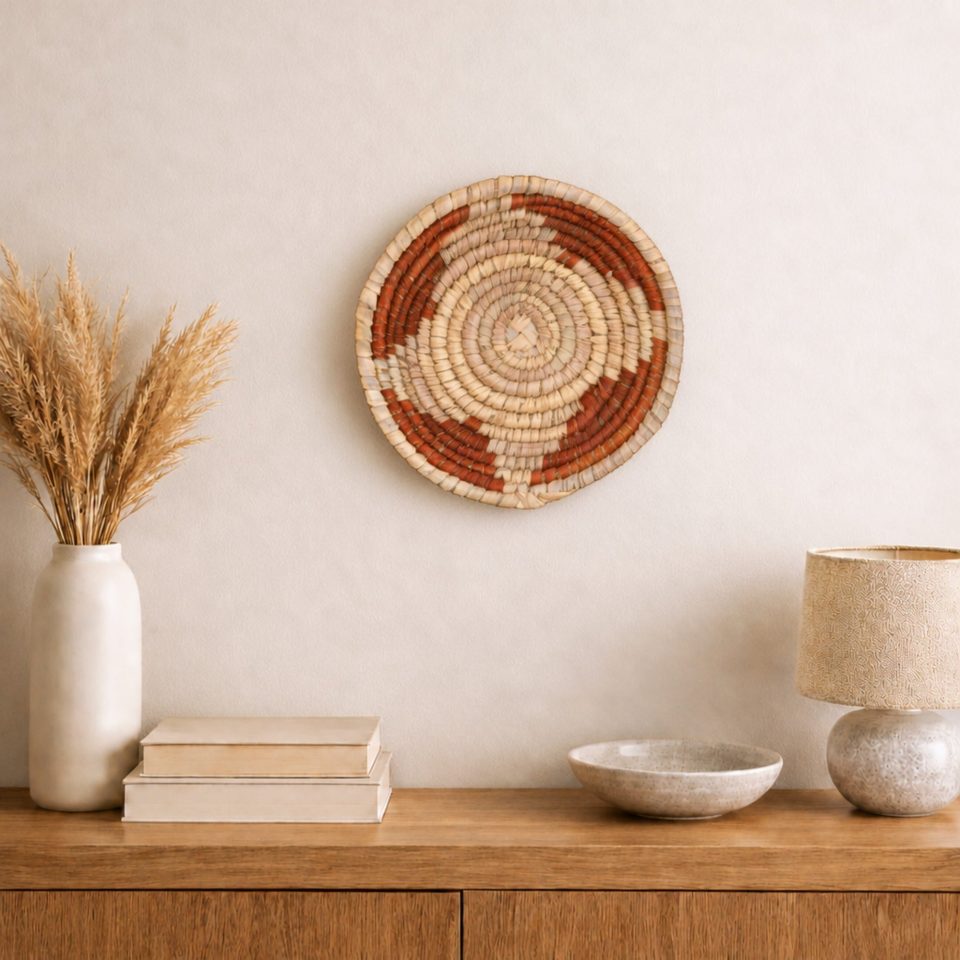
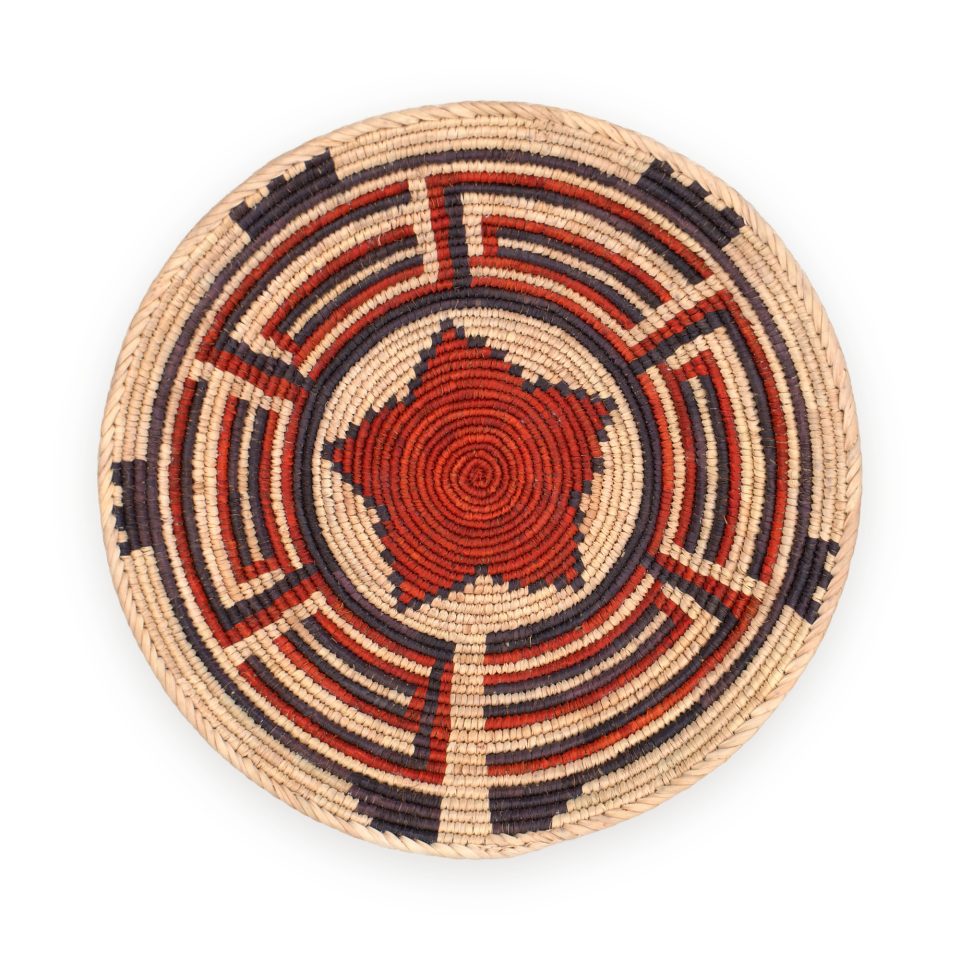
A bundle of grass forms the core. Strips of date-palm leaf are wrapped and stitched around it, one coil at a time, the spiral widening with every turn. As it grows, lines become diamonds, diamonds become stars, and stars settle into a bold geometric rhythm.
No machine can repeat the thousand small decisions a weaver’s hands make along the way. Every basket keeps the character of its maker, which is why no two are ever quite the same.
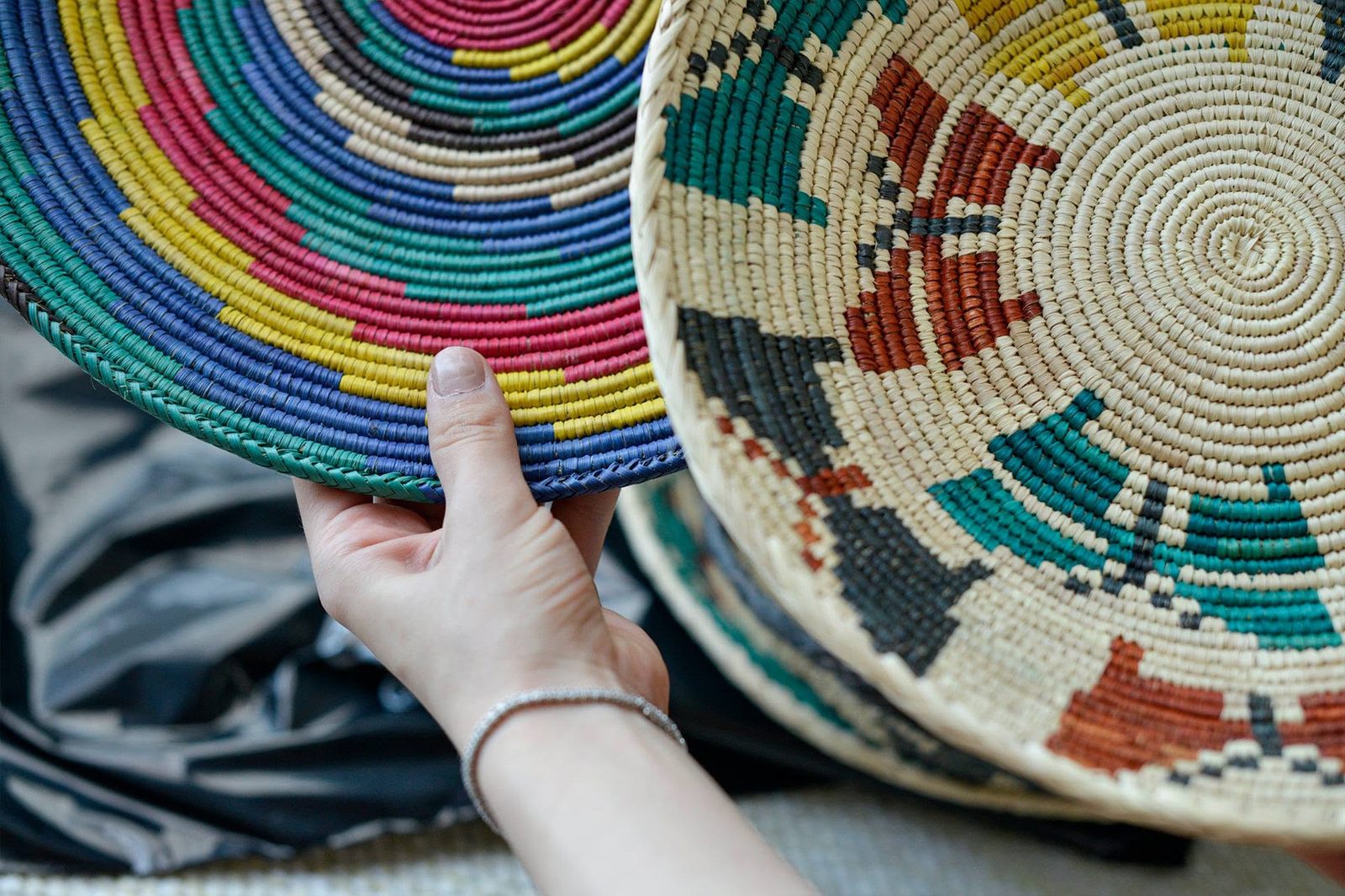
Today these baskets carry two histories at once: the inspiration of Indigenous basketry from the American Southwest, and the living craftsmanship of village women in South Asia.
They are not Native American-made, and they do not claim to be. They are something new, born where distant patterns met local plants, inherited knowledge and an entirely different community of makers.
What crossed the ocean was not the ownership of an art, but its inspiration. What came back was something unmistakably new: woven slowly, thoughtfully and entirely by hand.
The American Southwest A village in South Asia
One coil at a time
The collection
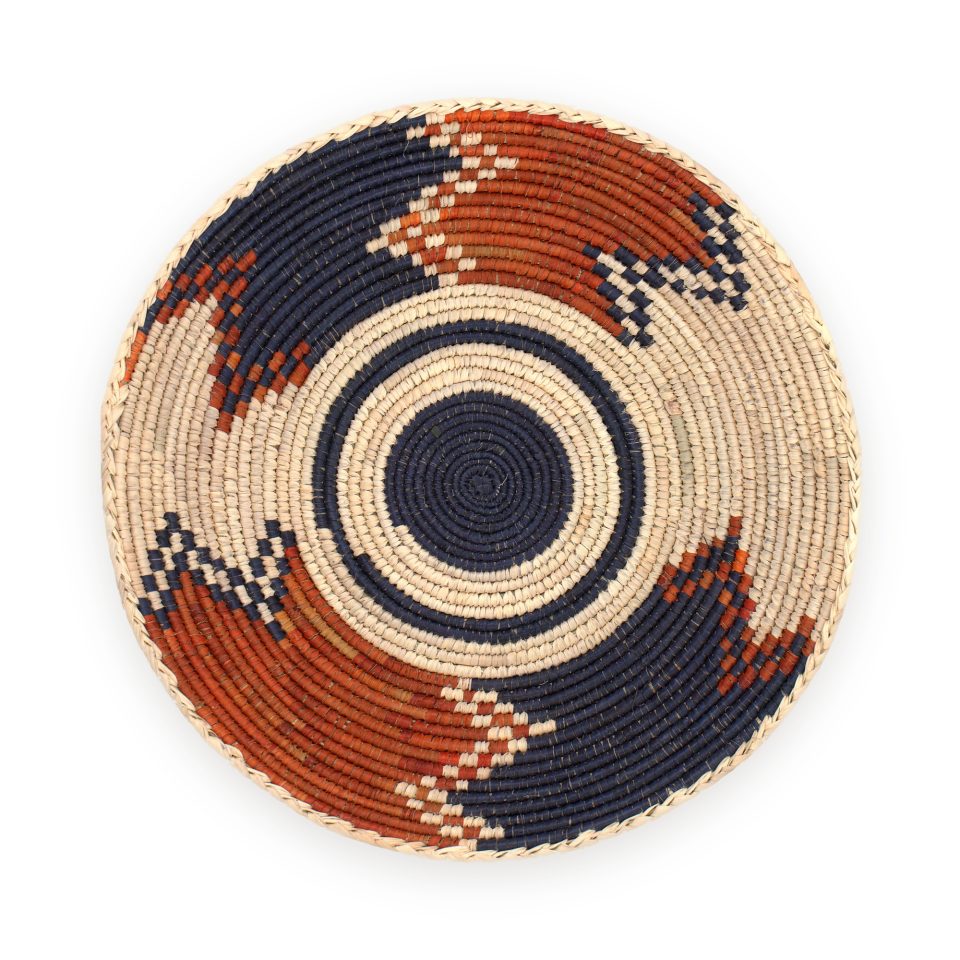
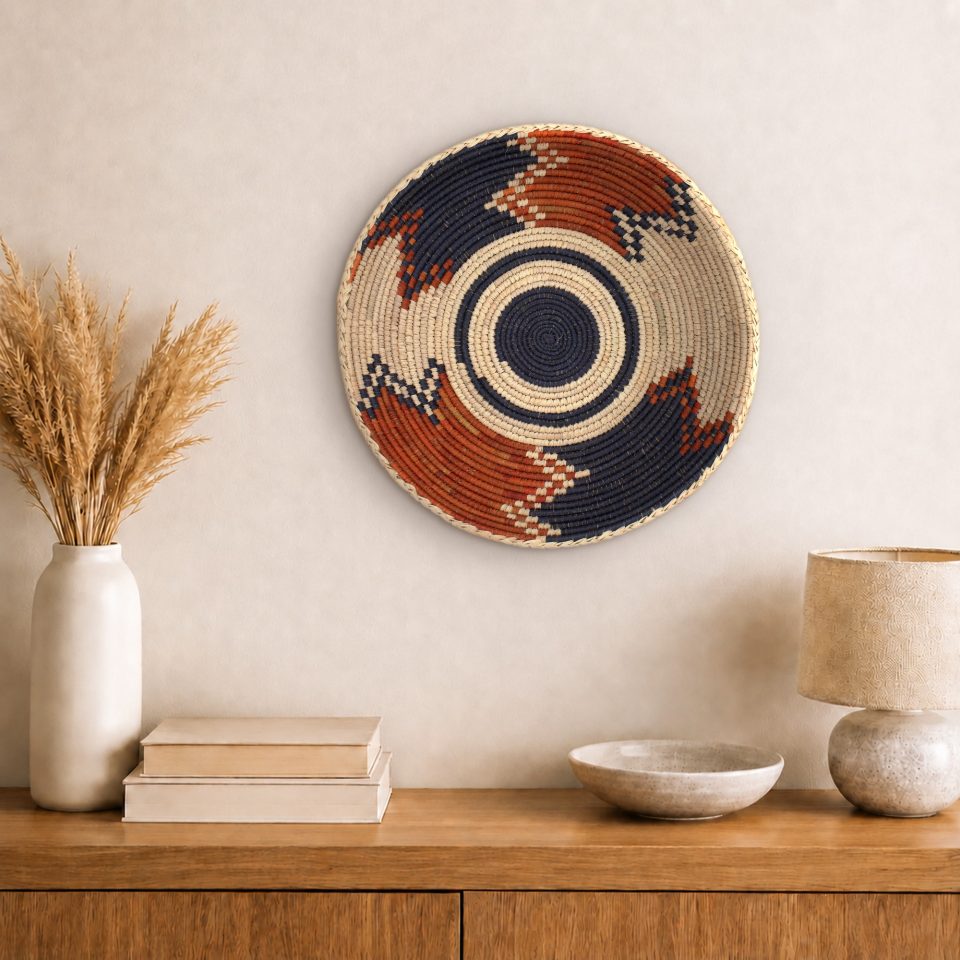
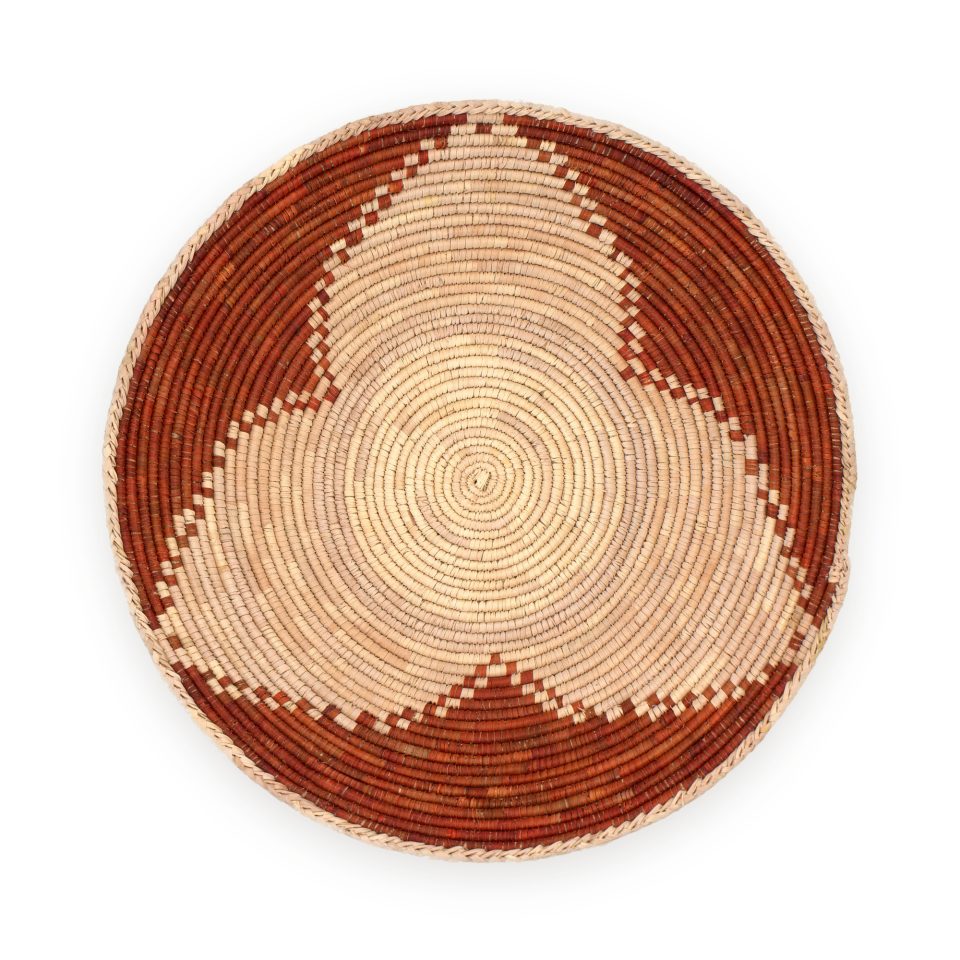
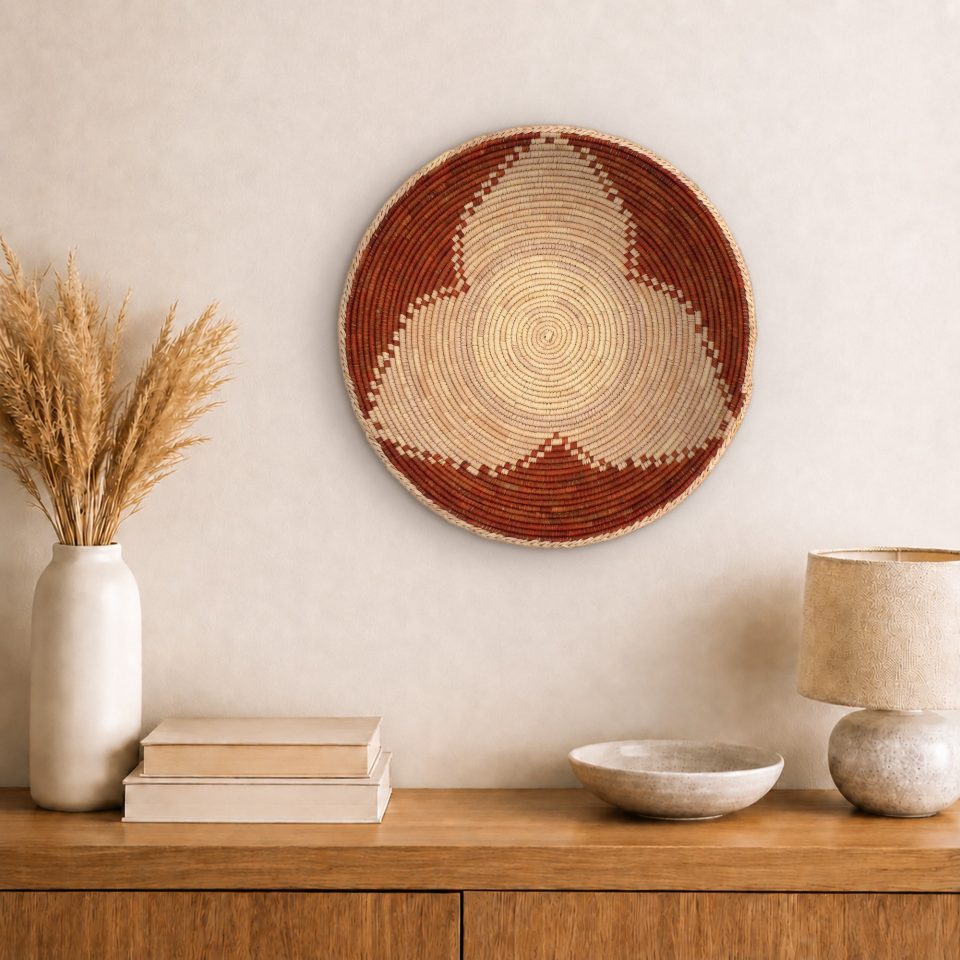
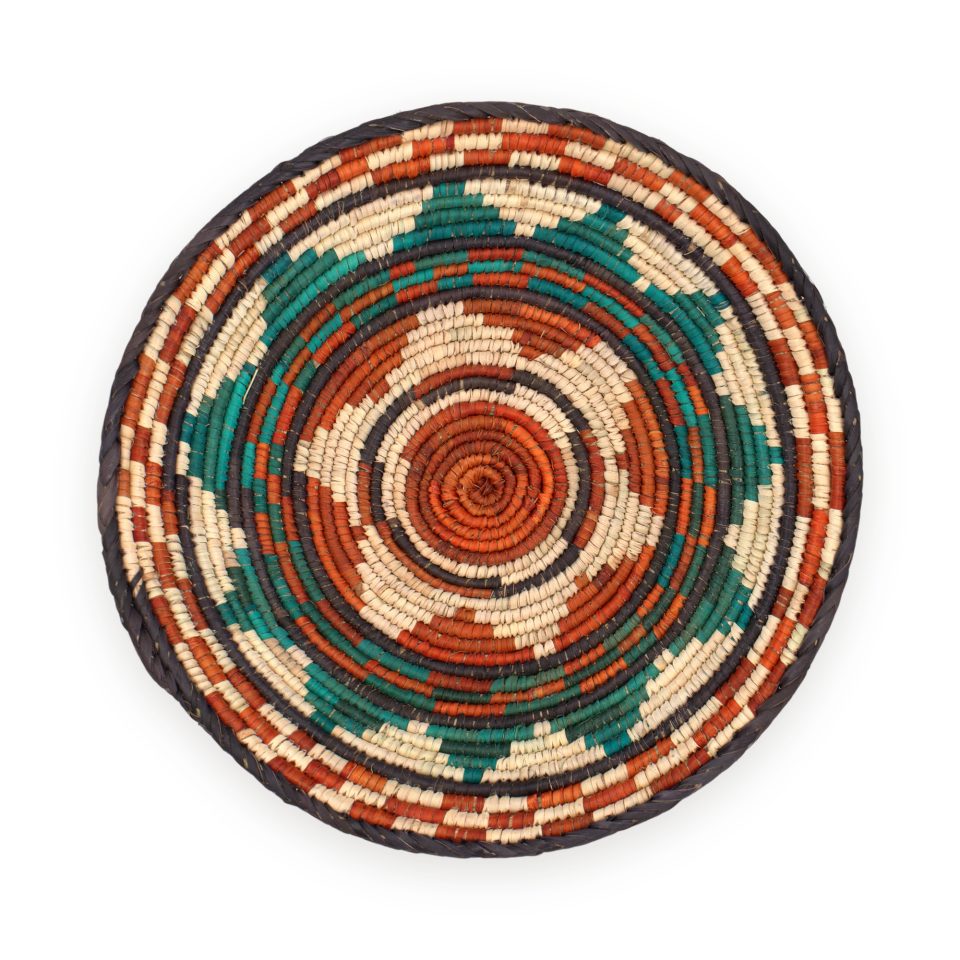
Classic Wall Basket
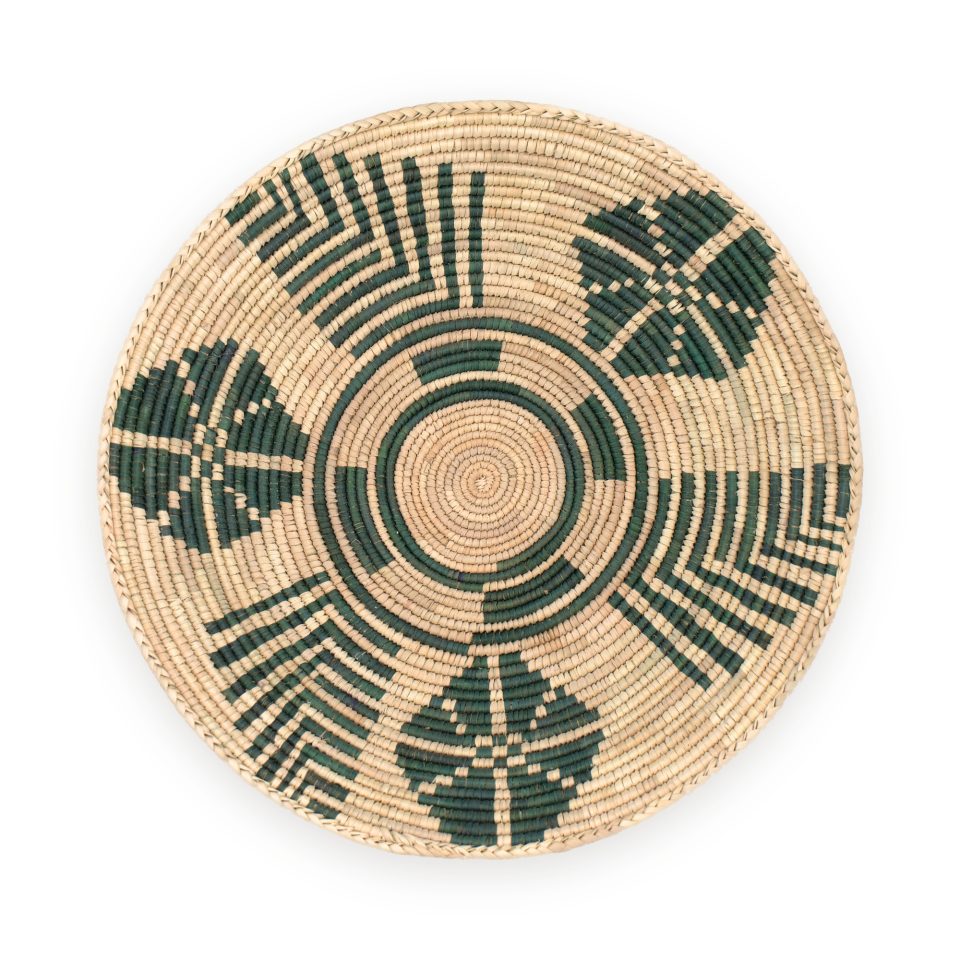
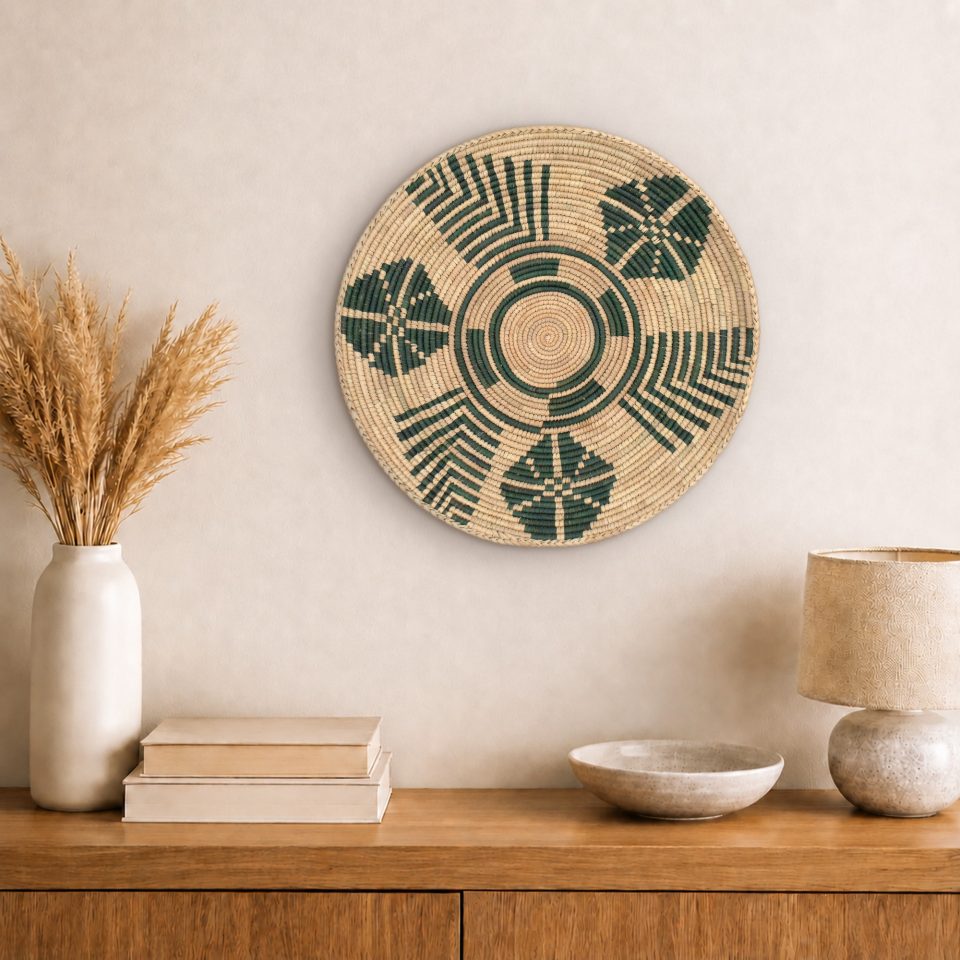
Classic Wall Basket
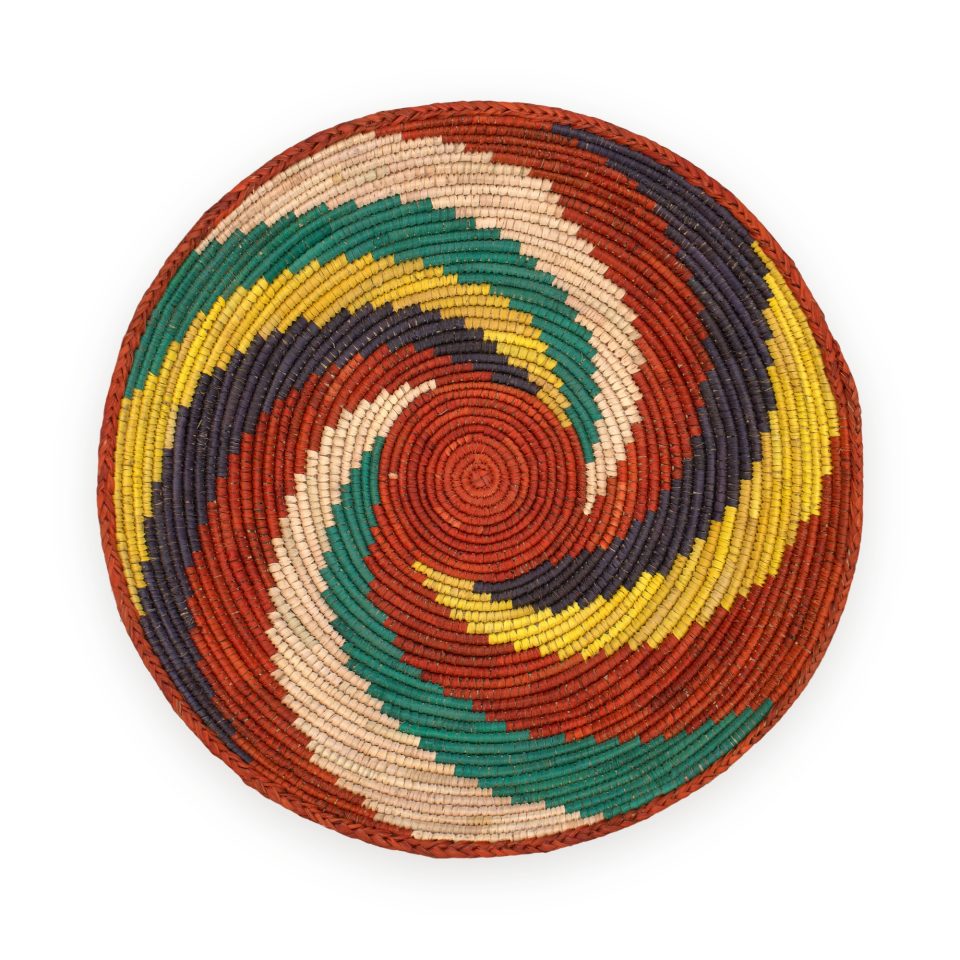
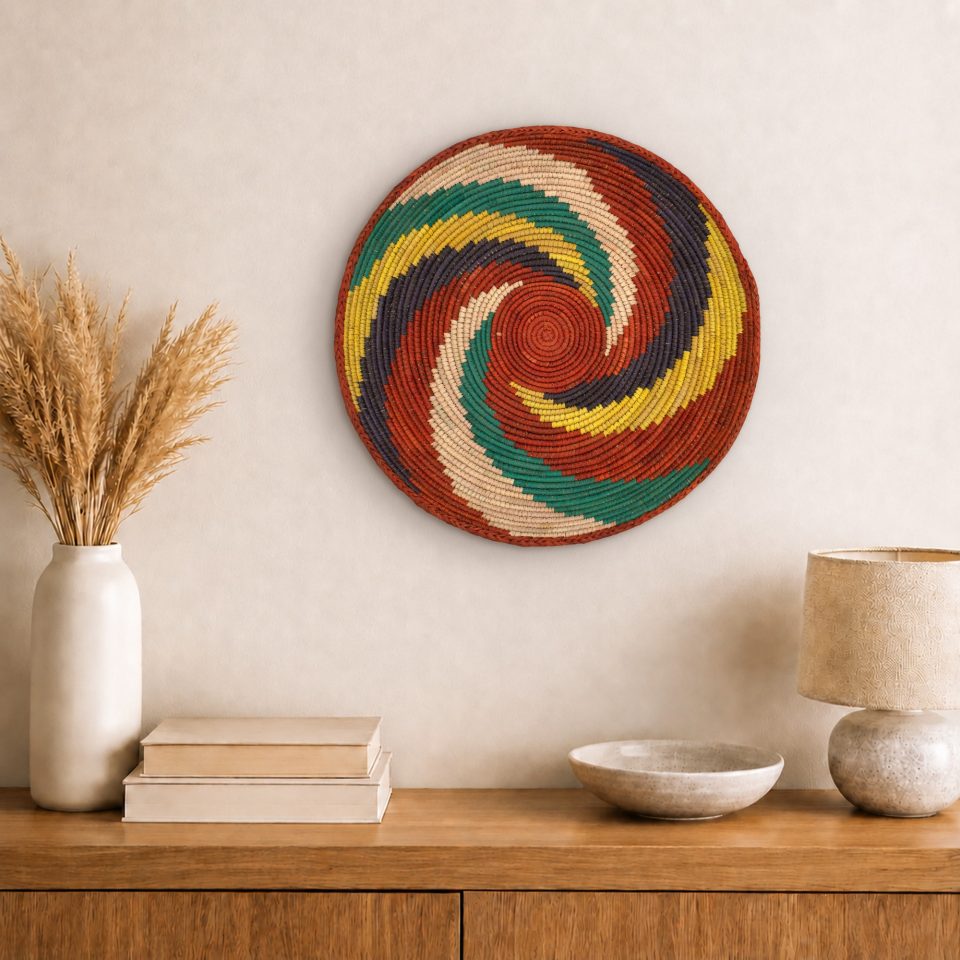
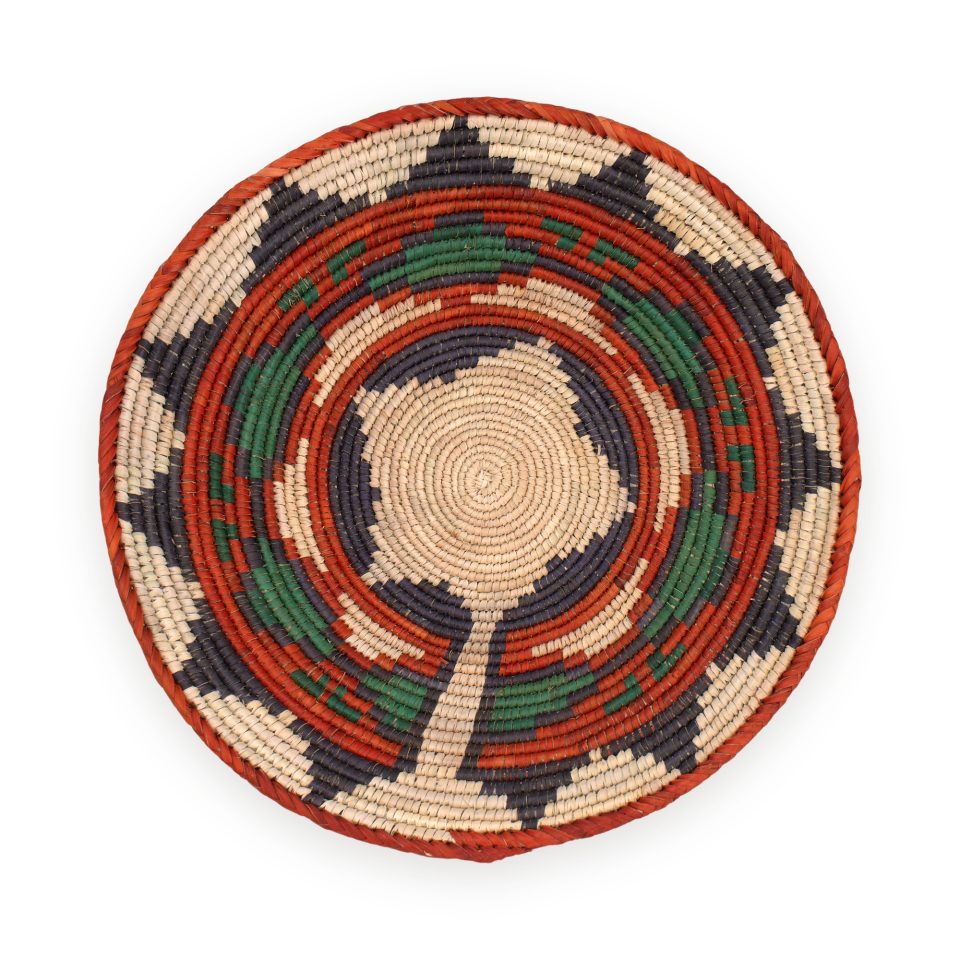
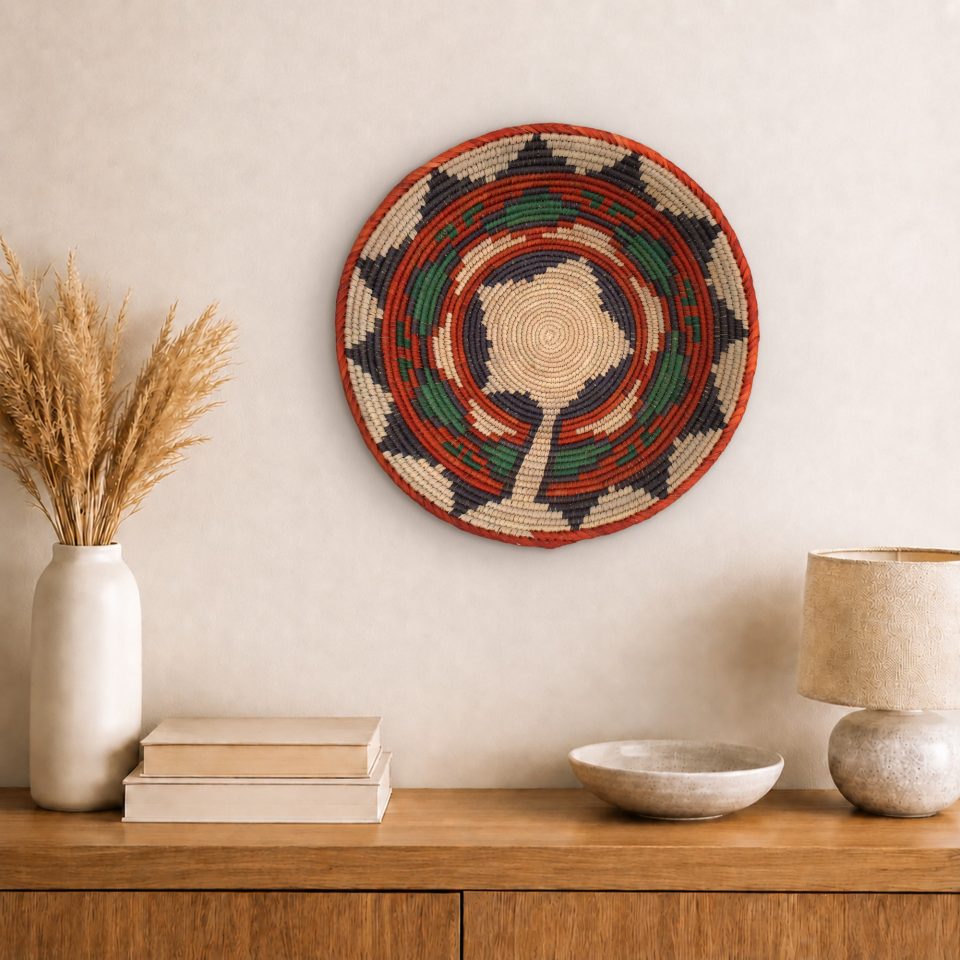
Classic Wall Basket
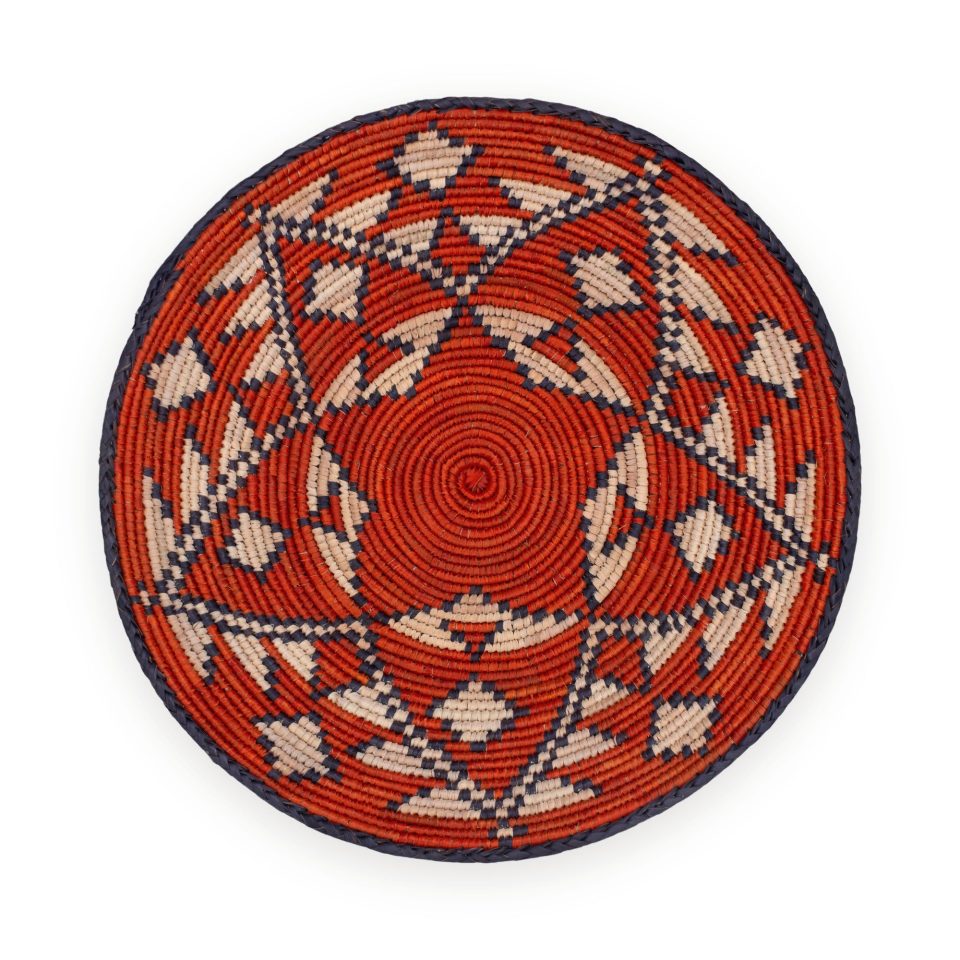
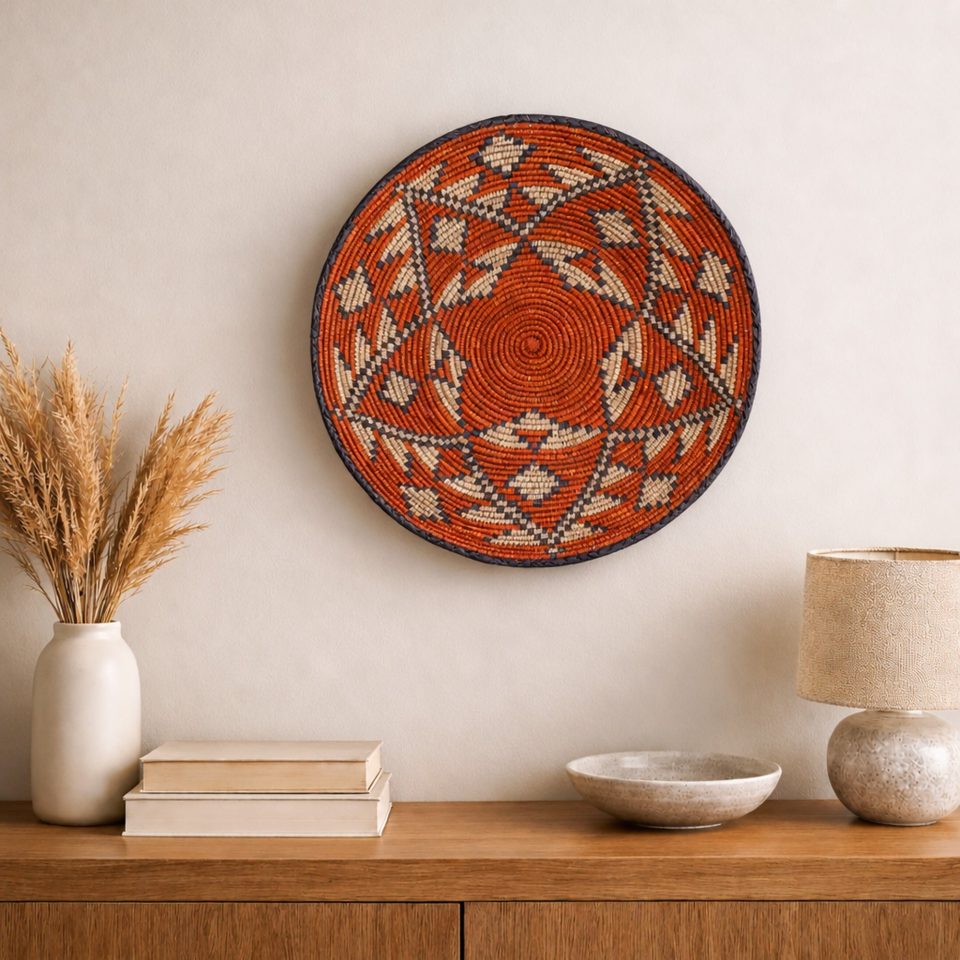
Premium Wall Basket